Roofing guides / Homeowner information
Why Proper Roof Ventilation is Crucial for Your Home
Practical roofing guidance for northern Utah homeowners.
Roof ventilation is often an overlooked aspect of home maintenance, but it plays a significant role in the overall health and longevity of your house. Proper roof ventilation is crucial for various reasons, including maintaining indoor comfort, preventing moisture-related issues, and extending the life of your roof. In this informative blog post, this guide will delve into the importance of roof ventilation and why you should pay attention to it.
Vented and unvented roof assemblies use different designs. For a vented attic, intake/exhaust, insulation and air sealing should be assessed together rather than adding vents or fans without a plan.
The Significance of Roof Ventilation
Roof ventilation involves the exchange of air in your attic or roof space with outdoor air. It helps regulate temperature, remove excess moisture, and prevent the buildup of heat and humidity, which can lead to a range of problems within your home.
How Roof Ventilation Works
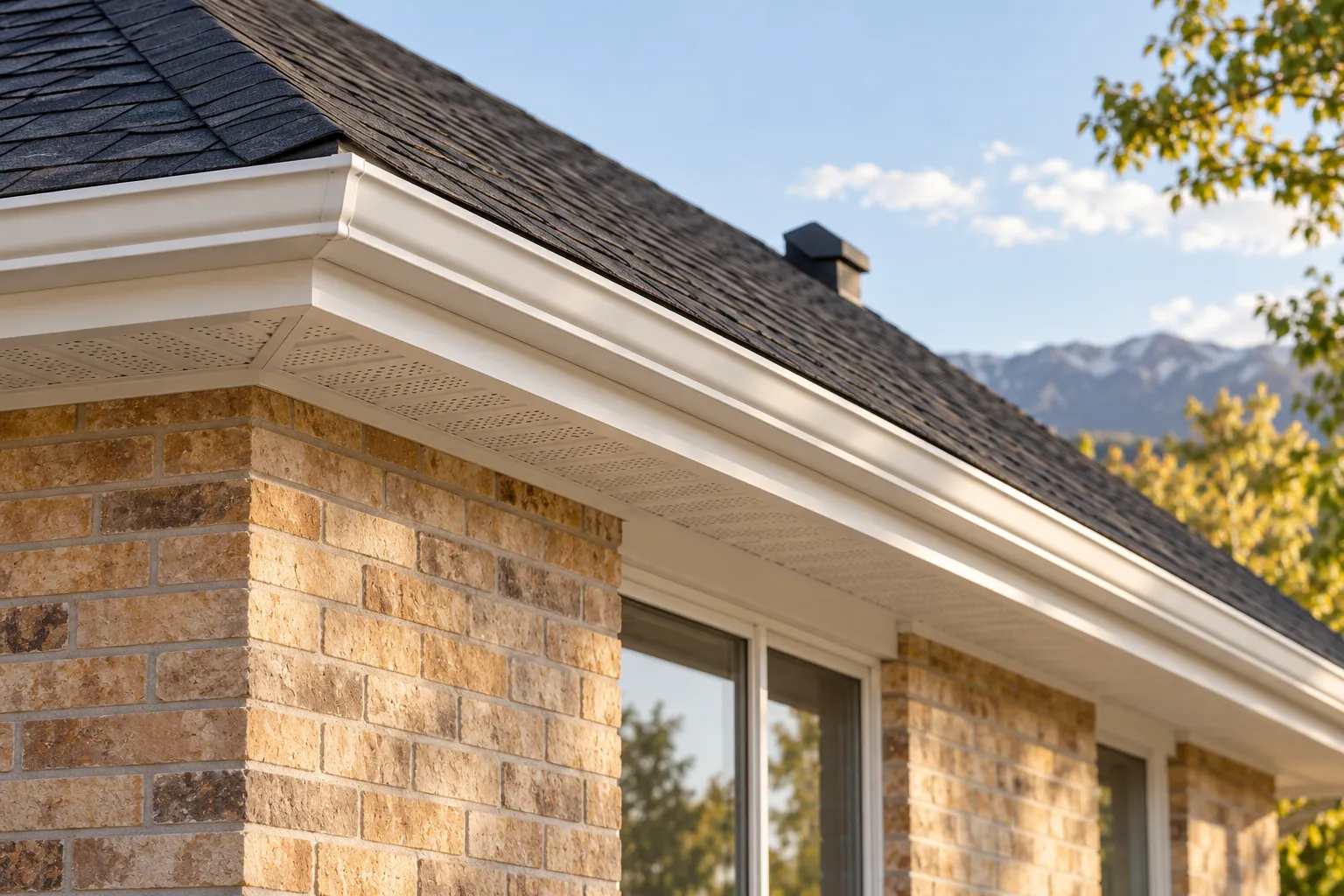
Roof ventilation typically involves intake vents (located near the eaves) and exhaust vents (usually near the ridge). These vents work together to create a continuous flow of air through your attic or roof space, ensuring proper ventilation.
Benefits of Proper Roof Ventilation
1. Temperature Regulation
Proper ventilation helps regulate the temperature in your attic, preventing it from becoming excessively hot in the summer. This, in turn, helps maintain a more comfortable indoor temperature and reduces the strain on your HVAC system.
2. Moisture Control
Ventilation helps remove excess moisture, preventing condensation and mold growth. It also minimizes the risk of rotting wood and structural damage caused by moisture buildup.
3. Energy Efficiency
A well-ventilated attic or roof space can reduce the load on your air conditioner, leading to lower energy bills. It helps create a more energy-efficient home.
4. Roof Longevity
Proper ventilation extends the life of your roof by preventing excessive heat buildup, which can accelerate the aging of roofing materials. It also reduces the risk of shingle curling and premature deterioration.
Signs of Inadequate Roof Ventilation
Common signs of poor roof ventilation include high indoor temperatures, excessive humidity, condensation on windows, and musty odors in your home. You may also notice peeling paint or water stains on your ceilings.
Improving Roof Ventilation
Have the actual vented or unvented assembly assessed together with insulation and air sealing. Do not add a fan or vent as a universal correction.
FAQs
What causes poor roof ventilation?
Poor ventilation can be caused by factors like blocked vents, insufficient vent openings, or inadequate insulation.
How do I know if my roof has proper ventilation?
A roofing professional can assess your ventilation system and provide recommendations based on your home’s specific needs.
Can I install roof ventilation myself?
While some aspects of ventilation improvement may be DIY-friendly, it’s often best to rely on professionals for proper installation to ensure effectiveness.
How often should I check my roof’s ventilation?
Regular inspections, ideally every year or during roofing maintenance, can help ensure your ventilation system is working correctly.
What should I check before choosing a contractor?
Verify the actual contracting entity, current authorized license scope and relevant insurance evidence. Ask about the exact roof system, comparable work and written scope. A badge or website does not guarantee every outcome.
Your next step
Let's start with your roof.
Share the property and the question. Confirm the scope before committing to work.