
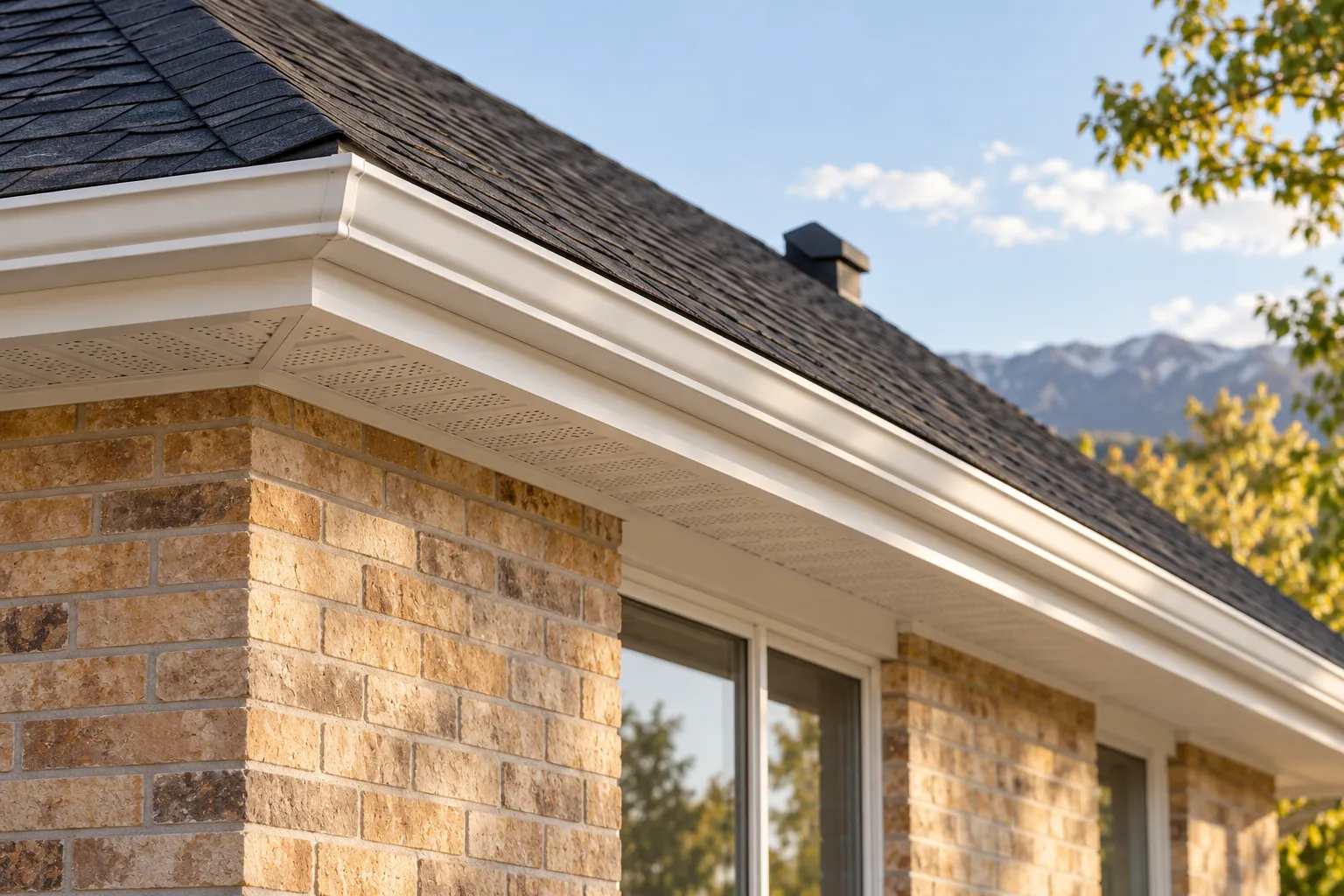
Roofing guides / Homeowner information
Top Tips for Effective Roof Repair: Keeping Your Home Safe and Secure
Practical roofing guidance for northern Utah homeowners.
A sturdy and secure roof is essential for the safety and protection of your home. It acts as the first line of defense against the elements, such as rain, snow, wind, and extreme temperatures. Neglecting roof repairs can lead to serious consequences, including water damage, structural issues, and even health hazards. Therefore, it is crucial to address any signs of roof damage promptly and choose a reputable roofing company to ensure effective repairs.
Key Takeaways
- Effective roof repair is crucial for home safety.
- Signs of roof damage should be identified early to prevent worsening problems.
- Choosing the right roofing company involves considering factors such as experience and reputation.
- DIY roof repair may save money, but professional repair ensures quality and safety.
- The right materials should be used for specific types of roof damage.
Signs of Roof Damage: How to Identify Problems Before They Worsen
There are several common signs that indicate roof damage. These include leaks or water stains on the ceiling, missing or damaged shingles, sagging or uneven areas on the roof, and excessive granules in the gutters. It is important to inspect your roof regularly to identify these issues before they worsen.
Keep observations at ground level or in safely accessible interior areas. Roof access, cleaning methods and treatment compatibility should be assessed by a qualified professional using the actual material instructions.
Compare the proposed work and contractor.
When it comes to roof repairs, it is crucial to choose a reputable and experienced roofing company. A professional roofing company will have the necessary expertise and equipment to effectively repair your roof and ensure its long-term durability.
Verify the actual contracting entity, current license/scope and insurance evidence. Review relevant work and ask for a defined repair recommendation. License and policy documents are not a guarantee against every loss or liability.
DIY vs. Professional Roof Repair: Pros and Cons
Swipe to compare →
| DIY Roof Repair | Professional Roof Repair |
|---|---|
| Pros: Lower cost | Workmanship terms depend on the actual written agreement. |
| Cons: Risk of injury or damage | Cons: Higher cost |
| Pros: Flexibility in scheduling | Pros: Experienced and trained professionals |
| Cons: Limited knowledge and expertise | Cons: May take longer to complete |
| Pros: Sense of accomplishment | Pros: Quality materials and equipment |
| Cons: May not be able to identify underlying issues | Cons: Limited warranty on repairs |
While some homeowners may consider DIY roof repair to save money, it is important to weigh the pros and cons before attempting any repairs yourself. DIY roof repair can be risky and may lead to further damage if not done correctly.
One of the main advantages of DIY roof repair is cost savings. By doing the repairs yourself, you can avoid labor costs associated with hiring a professional roofing company. Additionally, DIY repairs can be done at your own pace, allowing you to work around your schedule.
However, there are several disadvantages to DIY roof repair. First and foremost, it can be dangerous, especially if you are not experienced or comfortable working at heights. Roofing work requires proper safety equipment and precautions to prevent accidents. Furthermore, DIY repairs may not be as effective or long-lasting as professional repairs. A professional roofing company has the knowledge and expertise to identify underlying issues and provide comprehensive solutions.
Roof Repair Materials: Which Ones to Use and When
There are various types of roofing materials available, each with its own benefits and suitability for different types of roofs and repairs.
Asphalt shingles are one of the most common roofing materials due to their affordability and durability. They are available in a wide range of colors and styles, making them suitable for various architectural styles. Metal roofing is another popular option known for its longevity and resistance to extreme weather conditions. It is also energy-efficient and environmentally friendly.
For flat roofs, built-up roofing (BUR) is often used. BUR consists of multiple layers of asphalt or tar paper bonded together with hot asphalt or coal tar. It provides excellent waterproofing and durability. Another option for flat roofs is single-ply membrane roofing, which is made of a single layer of synthetic material. It is lightweight, easy to install, and offers good resistance to UV rays.
Safety Precautions: Protecting Yourself and Your Home During Repairs
Safety should be a top priority during roof repairs to protect yourself and your home from accidents and damage. Here are some important safety precautions to take:
1. Do not use a generic equipment checklist as a roof-access plan. Keep homeowner observations at ground level and have qualified people assess access, fragile surfaces and fall protection.
2. Be mindful of weather conditions: Avoid working on the roof during extreme weather conditions, such as high winds or heavy rain. Wet or icy surfaces can be slippery and increase the risk of accidents.
3. Stay outside roof-work and falling-debris zones. Do not install guardrails, anchors or nets from an online guide; trained contractors must plan suitable protection and rescue.
4. Protect your home: Cover any furniture or valuables inside your home to prevent damage from falling debris or water leaks during repairs.
Roof Maintenance: How to Prevent Future Damage
Regular roof maintenance is essential to prevent future damage and prolong the lifespan of your roof. Here are some tips for maintaining your roof:
1. Clean gutters regularly: Clogged gutters can cause water to back up onto the roof, leading to leaks and water damage. Clean your gutters at least twice a year to ensure proper drainage.
2. Trim overhanging branches: Overhanging branches can scrape against the roof and cause damage during storms or high winds. Trim any branches that are too close to your roof.
3. Inspect for damage after severe weather: After a storm or heavy winds, inspect your roof for any signs of damage, such as missing shingles or loose flashing. Address these issues promptly to prevent further damage.
4. Remove debris: Regularly remove leaves, branches, and other debris from your roof to prevent moisture buildup and potential damage.
Cost of Roof Repair: Budgeting and Financing Options
The cost of roof repair can vary depending on several factors, including the extent of the damage, the type of roofing material, and the size of your roof. It is important to budget for these repairs and explore financing options if needed.
To budget for roof repairs, start by getting multiple quotes from reputable roofing companies. Compare the prices and services offered to determine a reasonable budget. It is also a good idea to set aside some emergency funds for unexpected repairs or maintenance.
If you are unable to pay for roof repairs upfront, there are financing options available. Some roofing companies offer financing plans or payment options to help homeowners spread out the cost of repairs over time. Additionally, you may qualify for a home improvement loan or line of credit from a financial institution.
Insurance Claims: Navigating the Process with Your Utah Roofing Company
If your roof has been damaged by a covered event, such as a storm or fire, you may be eligible to file an insurance claim to cover the cost of repairs. Navigating the insurance claims process can be complex, but working with a reputable roofing company can help streamline the process.
Start by contacting your insurance company to report the damage and initiate the claims process. They will likely send an adjuster to assess the damage and determine the coverage amount. It is important to document the damage with photographs and keep records of any repairs or expenses incurred.
Once you have filed a claim, work closely with your roofing company to ensure they have all the necessary documentation and information to support your claim. They can provide estimates and work directly with your insurance company to expedite the process.
Final Thoughts: Maintaining a Safe and Secure Home with Effective Roof Repair
In conclusion, effective roof repair is crucial for maintaining a safe and secure home. A sturdy and secure roof protects your home from the elements and prevents water damage, structural issues, and health hazards. By identifying signs of roof damage early, choosing a reputable roofing company, and prioritizing regular maintenance, you can ensure the longevity and durability of your roof. Remember to take safety precautions during repairs and consider budgeting and financing options if needed. With proper care and attention, your roof will continue to provide protection and peace of mind for years to come.
If you’re in need of roof repair, it’s important to understand the role of proper roof maintenance in saving you money. Weathering the Storm: How Proper Roof Maintenance Saves You Money is an informative article that explains the importance of regular maintenance and how it can prevent costly repairs down the line. By following the tips and recommendations provided in this article, you can ensure the longevity and durability of your roof. Check out the article here for more information.
Your next step
Let's start with your roof.
Share the property and the question. Confirm the scope before committing to work.