Roofing guides / Homeowner information
The Role of Ventilation in Maintaining a Healthy Roof
Practical roofing guidance for northern Utah homeowners.
Why Is Ventilation Important?
Ventilation is the process of providing a continuous flow of air in and out of your attic space. It allows for the exchange of stale, moist air with fresh outdoor air, helping to regulate temperature and humidity levels. Here are some key reasons why ventilation is crucial for maintaining a healthy roof:
Moisture Control
One of the primary benefits of proper ventilation is moisture control. Without adequate airflow, moisture can accumulate in your attic, leading to a range of problems. Excess moisture can cause mold and mildew growth, rotting of the wooden structure, and deterioration of insulation. Over time, this can weaken the roof’s structural integrity and reduce its lifespan.
Heat Regulation
During hot summer months, attics can become extremely hot and trap heat. Without proper ventilation, this heat buildup can transfer to the roof deck, causing the shingles to age prematurely. Excessive heat can also increase energy costs by making it harder to cool your home. Proper ventilation helps dissipate heat, keeping your attic and roof at a moderate temperature.
Ice Dam Prevention
In colder climates, inadequate ventilation can contribute to the formation of ice dams. Ice dams occur when snow on the roof melts and refreezes at the eaves due to heat escaping from the attic. This can lead to water seeping under the shingles, causing leaks and damage. Proper ventilation helps maintain a consistent temperature on the roof, preventing ice dams from forming.
Energy Efficiency
Proper ventilation can improve the energy efficiency of your home. By allowing hot air to escape from the attic, ventilation reduces the workload on your cooling system, resulting in lower energy consumption and costs. Additionally, it helps prevent heat from radiating downward into living spaces, keeping your home more comfortable and reducing the need for excessive air conditioning.
Signs of Poor Ventilation
It’s essential to be aware of the signs that indicate poor ventilation in your attic. If you notice any of the following issues, it may be time to assess and improve your ventilation system:
- Excessive heat in the attic
- Accumulation of condensation or frost on the underside of the roof deck
- Musty odors or signs of mold and mildew
- Curling or deteriorating shingles
- Peeling paint or wallpaper on interior walls
- High energy bills without a clear explanation
Ventilation Solutions
Ridge Vents
Ridge vents are installed along the ridge line of the roof, allowing hot air to escape from the attic. They work in conjunction with soffit vents, which are installed under the eaves, to create a continuous airflow. Ridge vents are highly effective and blend seamlessly with the roofline, providing a visually appealing solution.
Soffit Vents
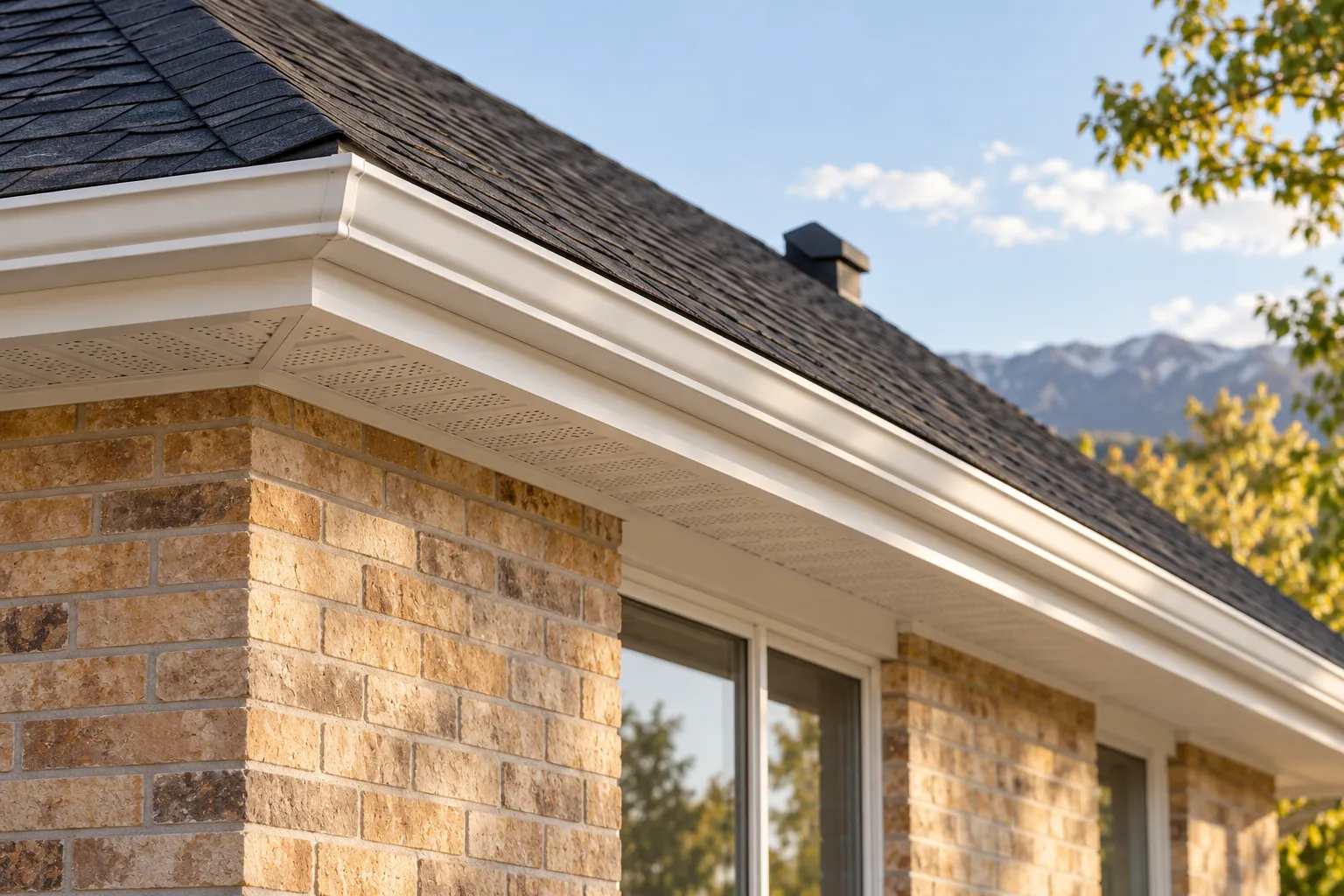
Soffit vents are installed in the underside of the eaves to draw in fresh air from outside. They work together with ridge vents to facilitate proper airflow and create a balanced ventilation system. Soffit vents are available in various styles and materials to suit different architectural designs.
Attic Fans
Mechanical ventilation needs assessment of intake, exhaust, air sealing and potential pressure effects. Do not add an attic fan as a universal cure for heat or moisture; the assembly and product requirements control the design.
Gable Vents
Gable vents are installed in the gable ends of the roof and allow hot air to escape. They work effectively in combination with soffit vents to facilitate proper airflow. Gable vents are available in different shapes and sizes to complement the architectural style of your home.
Compare the proposed work and contractor.
Your next step
Let's start with your roof.
Share the property and the question. Confirm the scope before committing to work.